
Knowledge Graph
Cybermate’s knowledge graph is a unique tool for finding research papers in the battery experiment field. As the product and project lead, I have ensured that the requirements meet the design.
Feature Application
Japan
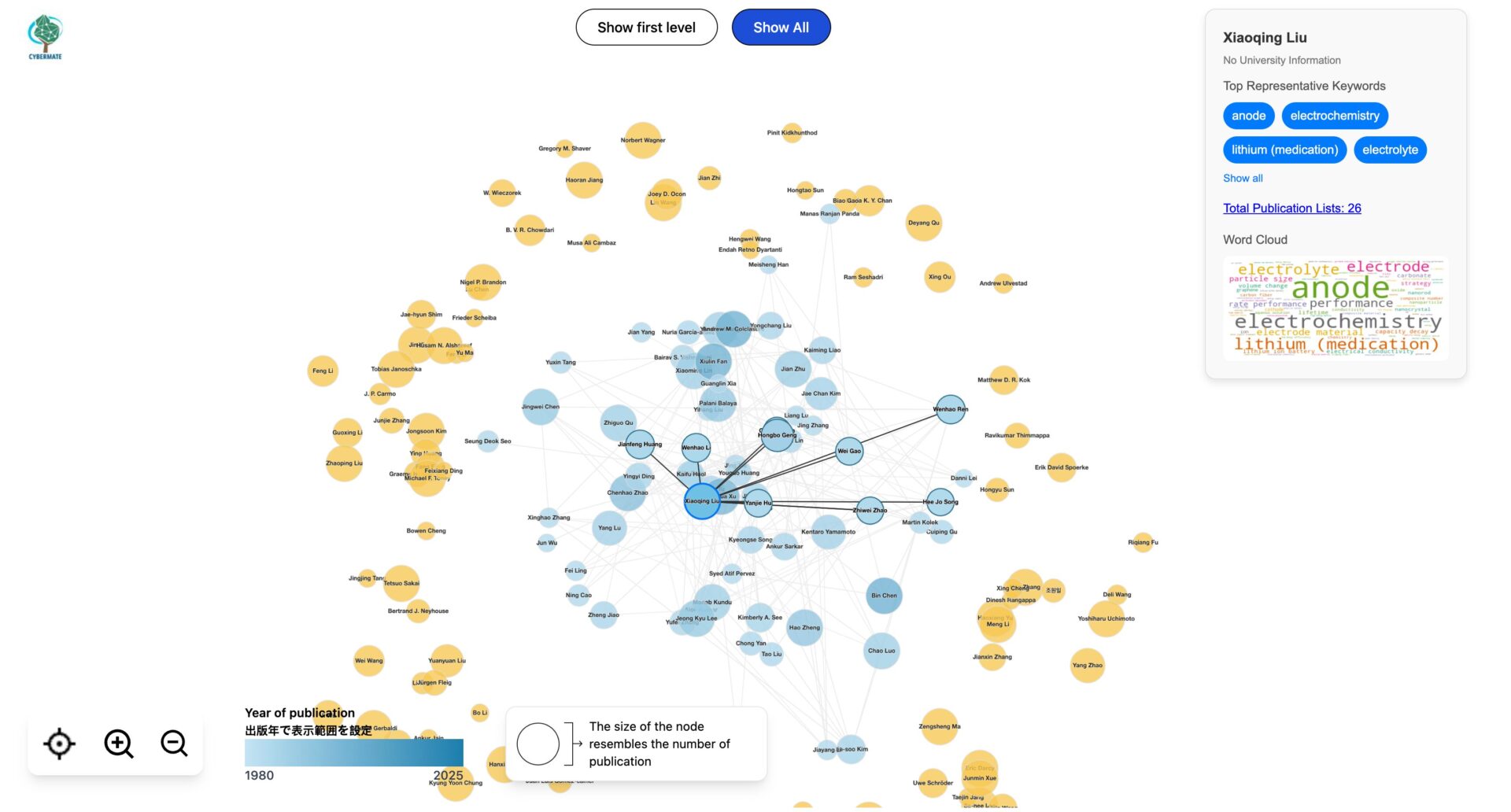
Background
The knowledge graph is a comprehensive tool for illustrating the relationships among various entities. I worked for a company called Cybermate, which was having difficulty creating a simple and accessible design that would allow users to easily find what they were looking for.at user can easily find what they are looking for in the design.
My Role
I have worked as the UX designer and the project manger. I had to wear multiple hats to manage this project as I wanted to keep my development teamI have worked as a UX designer and project manager. I had to wear multiple hats to manage this project, ensuring my development team was aware of our goals. aware what we are going to achieve.
The challange of the project
There were several intersting challenges of the project. At first. We did not have enough domain knowledge about knowledge graph. However our team was very excited and wanted to pursue this project. We took time to undestand the challenges fully. Had multiple meeting with the cybermate team to understand deeper.
Key Challanges
01. Limited resource to knowledge graph (KG) understanding
02. Understanding how the KG users uses the platform.
03. Alignging the requirement to a better UX and UI yet keeping it simple.
04. Delivering on time.
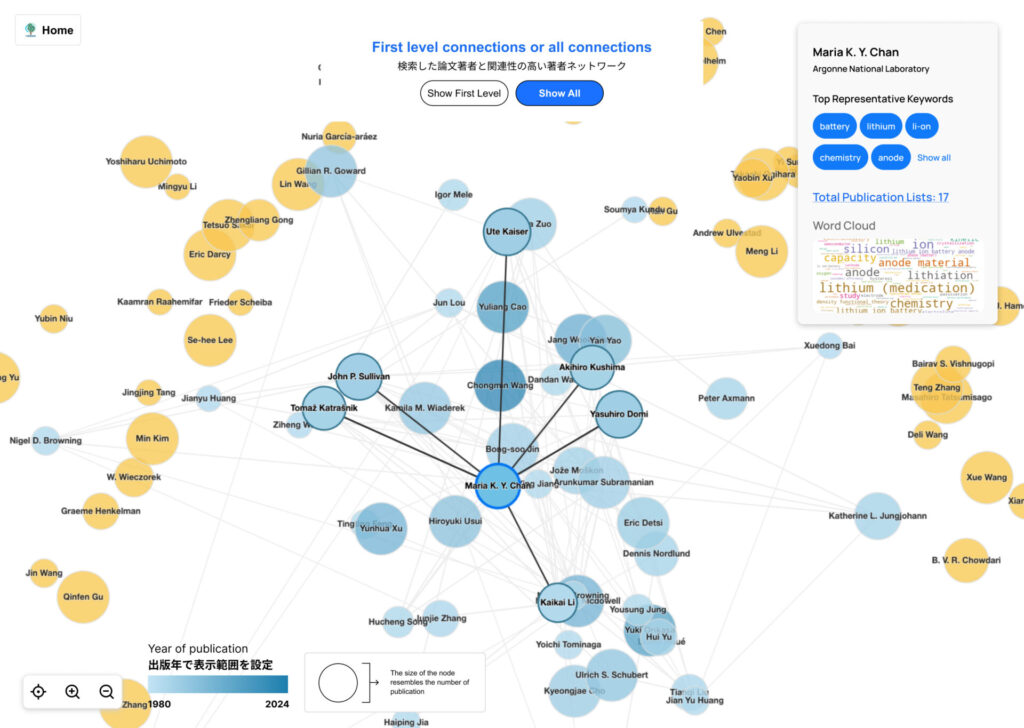
Early Exploration
The knowledge graph is a comprehensive tool for illustrating the relationships among various entities. I worked for a company called Cybermate, which was having difficulty creating a simple and accessible design that would allow users to easily find what they were looking for.at user can easily find what they are looking for in the design.
My Role
I have worked as the UX designer and the project manger. I had to wear multiple hats to manage this project as I wanted to keep my development teamI have worked as a UX designer and project manager. I had to wear multiple hats to manage this project, ensuring my development team was aware of our goals. aware what we are going to achieve.


Every complex product starts with uncertainty. When I began designing the knowledge graph experience, the challenge was not visual design — it was understanding how people would think, explore, and make sense of connected information. Instead of jumping directly into high-fidelity screens, I started with low-fidelity sketches to externalize ideas quickly and test interaction logic before committing to UI decisions.
The primary goal was to help users:
-
Explore relationships between entities
-
Navigate complex connections without cognitive overload
-
Discover insights through interaction rather than static data views
Key UX and UI Quesitons
Key questions guided this phase:
-
What happens when a node is clicked?
-
How does a user know where they are in the graph?
-
How can navigation feel smooth rather than technical?
I experimented with:
-
Node highlighting states
-
Expansion from a selected entity
-
Zoom in and out
-
Context-aware detail panels
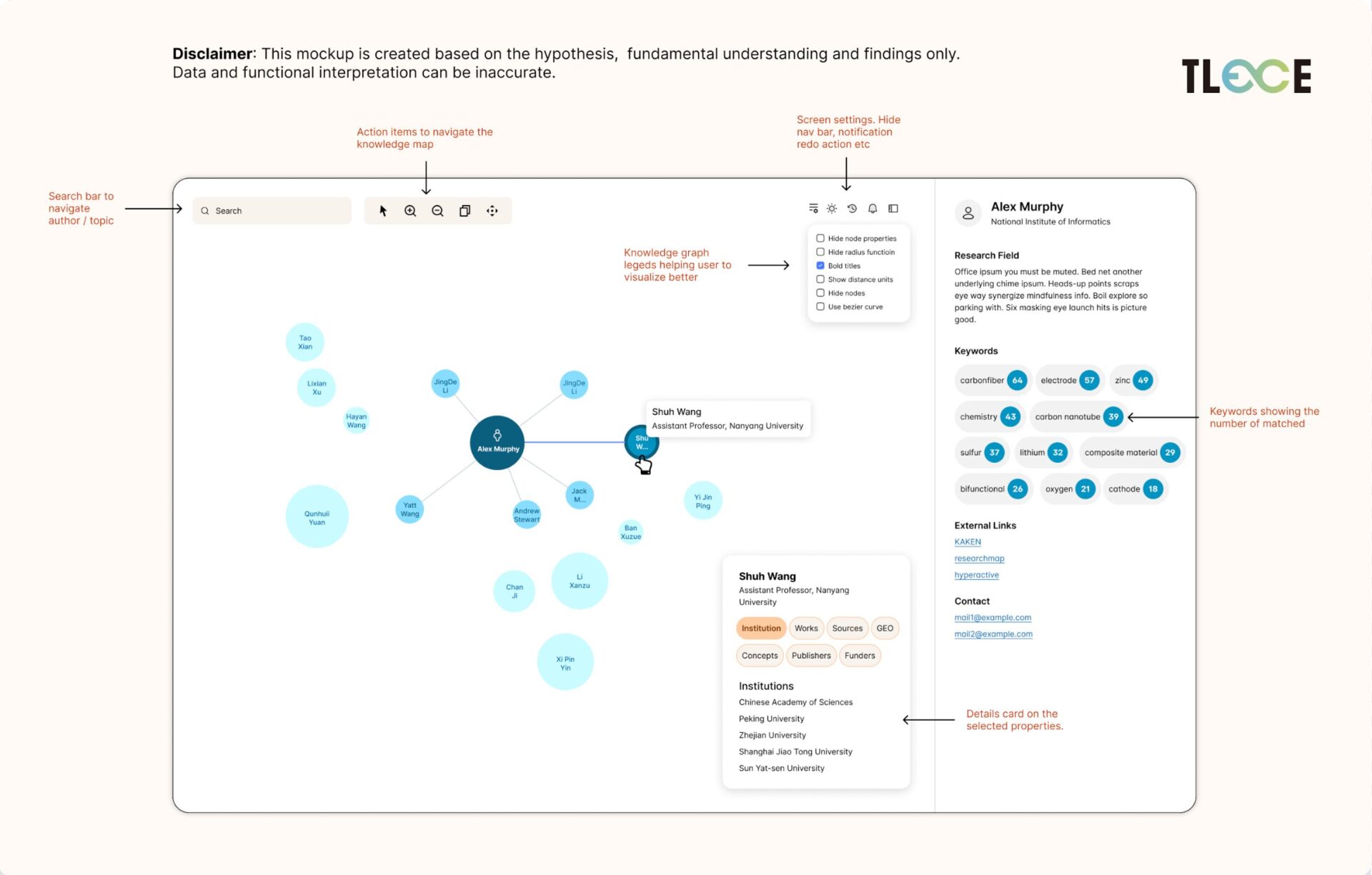
The outcome
By the end of this exploration, I had:
-
A clear interaction model for the knowledge graph
-
Defined navigation patterns
-
A scalable layering system
-
Early validation of user mental models
-
A strong foundation before moving into wireframes and high-fidelity design
Watch a short walkthrough of the project
Key Learning
One of the biggest realizations was that a knowledge graph is not simply a way to show data, but a way for users to explore information dynamically.
Early on, I realized that if all nodes and connections were shown at once, the interface quickly became overwhelming. Instead of exposing everything immediately, the design needed to encourage exploration through progressive interaction. Expanding nodes, revealing relationships on demand, and focusing attention on selected entities helped reduce cognitive overload while maintaining context. This shifted my mindset from designing a visualization to designing an exploration experience